R E A D
A B O U T
B I O G R A F Í A
U S
The minds behind the vision | The marriage behind the Work.
LA MENTE DETRÁS DE LA VISION | EL MATRIOMONIO DE LA OBRE
***FOR OPTIMAL EXPERIENCE WE RECOMMEND VIEWING THIS SECTION ON A DESKTOP OR TABLET***
P
I
N
E
JONNI
MARIE
PEREZ
CREATIVE DIRECTOR &
COMMUNICATIONS SPECIALIST
WHO ARE YOU?
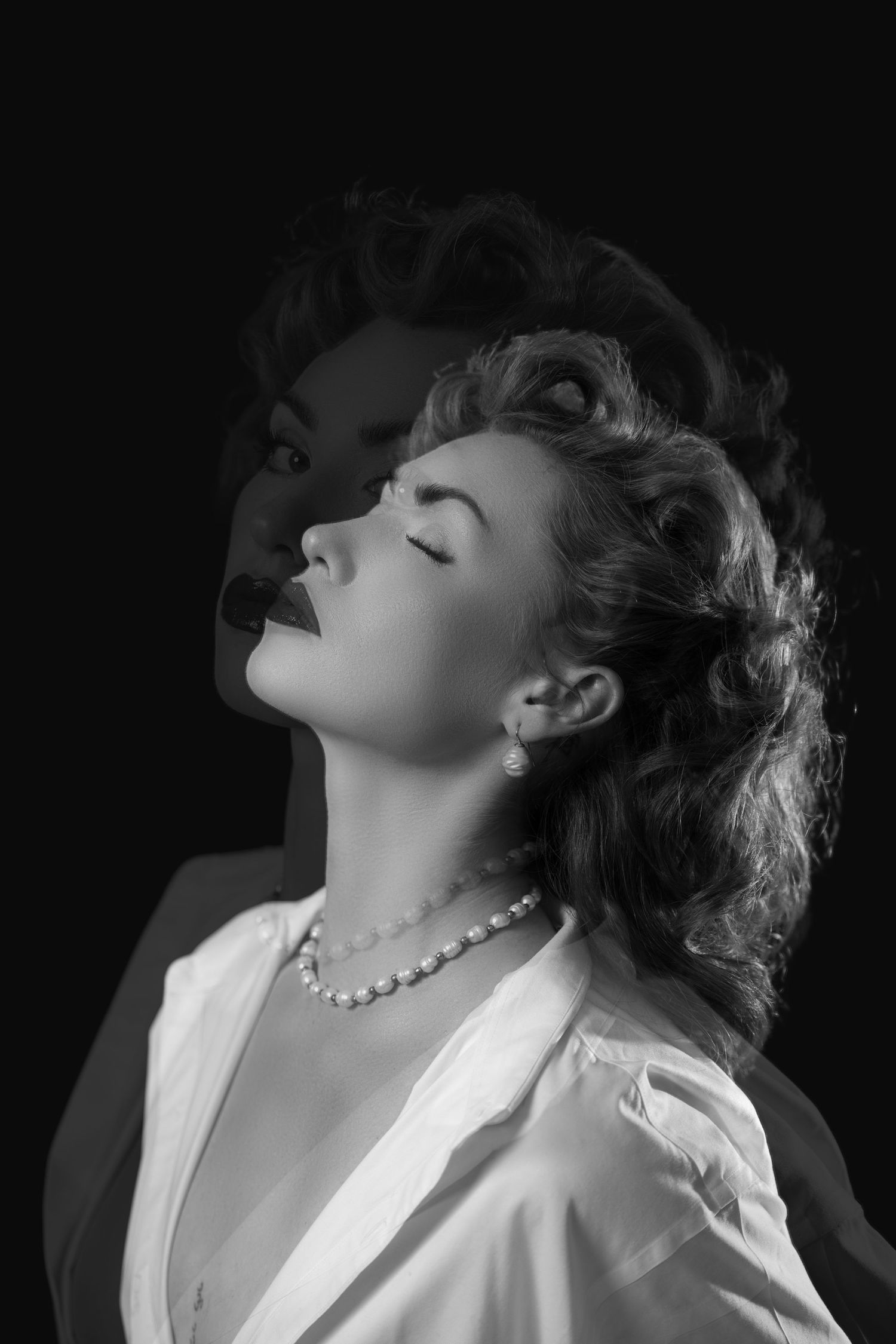
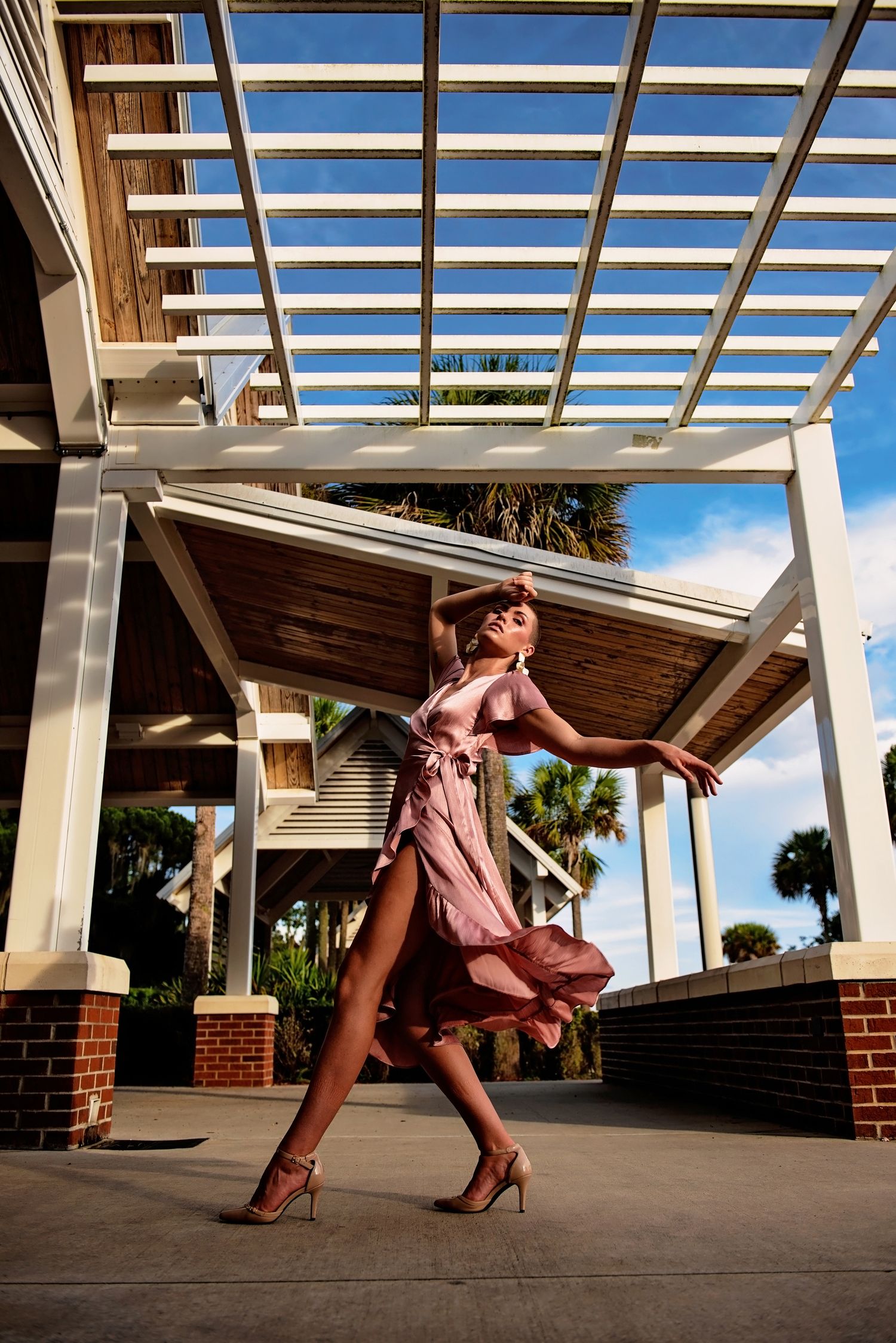
"I’m the daughter of a photographer. I grew up inside the work, around it, in front of it, and eventually behind it.
I work as a creative director within photography now, as I see the image before it’s taken, and I’m as focused on how it’s constructed as I am on how it feels for both the person in front of the camera and the one behind it.
From the moment I see something in my head, I’m already considering how it will be made, how it will land, and what it asks of everyone involved."
WHAT SHAPED YOUR UNIQUE CREATIVE PERSPECTIVE?
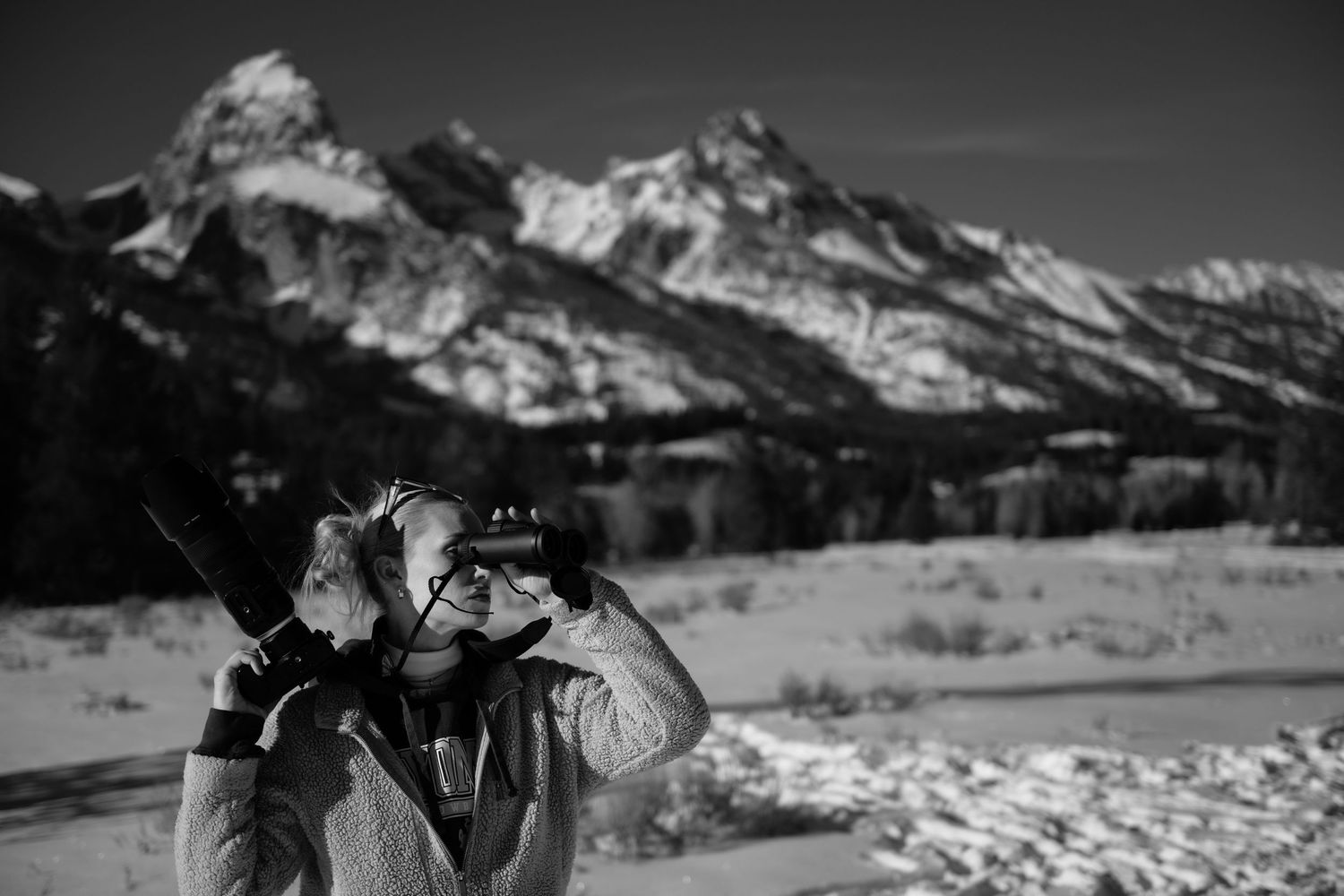
"It comes from growing up in the rugged West and from proximity to the craft.
I think the thing that creates notable contrast in my visuals is the worldly influence shaped through a life of travel. With a flight attendant mother and a world-traveling photographer father, I was exposed to a range of cultures from a very early age.
They brought as much of the world as they could into our environment, so the contrast I experienced between other cultures and my Western upbringing is something I’m always working to translate into my imagery and the overall visual language.
The foundation is still the West. Rugged, direct, and expansive, but it’s informed by a broader visual language. Something that holds both."
HOW DO YOU DIRECT PEOPLE?
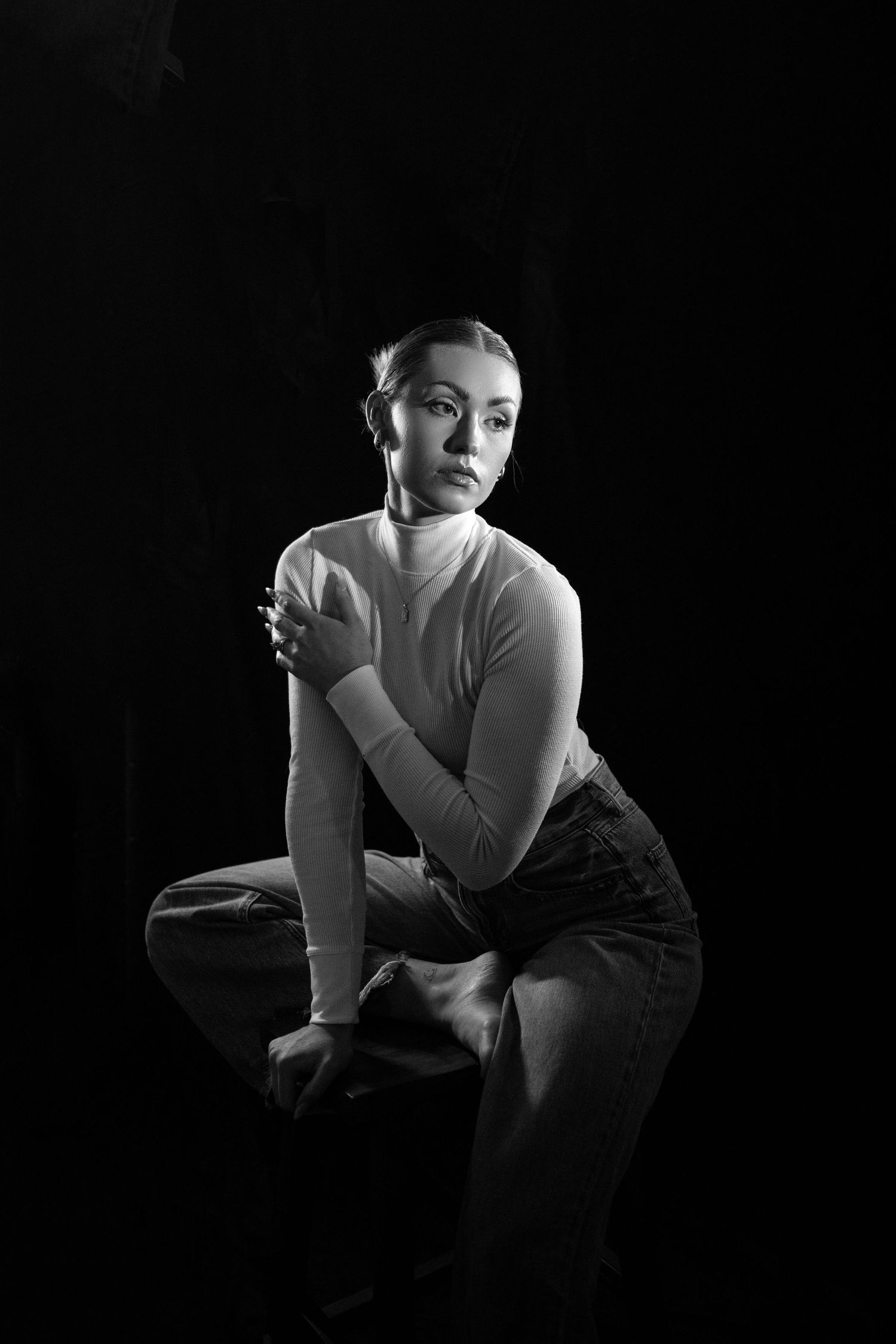
"With empathy first. I’ve been in front of the camera. I know what it feels like to be nervous, unsure, overwhelmed, and also confident, beautiful, and fully in it. That experience shapes everything.
I direct with clarity and calm, and I lean on my experiences teaching and coaching, but I’m always reading the person in front of me. If something isn’t working, I adjust. I don’t force people to fit an image. I reshape the vision to fit the people and the circumstances, never the other way around."
HOW DO YOU BUILD AN IMAGE BEFORE IT EXISTS?
"I keep my creative cup full. I’m constantly taking in visual information. Art, film, music, architecture, real environments, real people. It all builds a reference library that I draw from without having to think about it.
By the time I’m on a shoot, I’m not searching for ideas. I’m selecting from them. I already have a sense of how something could look, how it could feel, and always how it can evolve into something entirely new.
The image is built before it’s taken. The camera just confirms it."
WHAT STANDARD DO YOU HOLD THE WORK TO?
"As high as I’ve ever seen it done, with a lot of humility. The work I look to sits at the highest level of the craft, and I don’t place myself there. I study it, I respect it, and I stay in awe of it. That distance is important to me. It keeps me reaching.
There are names that matter. Haas, Leibovitz, Balog. Directors like Wes Anderson and Guillermo del Toro. Different approaches, different mediums, but the same level of intention and authorship. That’s the level I measure against.
At the center of it, the standard is personal. It’s my dad. Everything from how I communicate to how the work is made, delivered, and refined is driven by the same goal. To become, in my own way, the photographer, the artist, and the person that he is."
WHAT OTHER ROLES DO YOU PLAY IN THE BUSINESS?
"Outside of creative direction, I handle communication, client experience, and the full visual identity of the brand, including web design and social media management. In the field, I work as the lighting assistant and second photographer. And, quietly, I keep the brand mascots alive and well (our four cats).
PALM
DAVID
DIRECTOR OF PHOTOGRAPHY &
CHEIF EDITOR
JOSE
PEREZ
WHO ARE YOU?
"I’m David Jose Perez, a first-generation Cuban American. My parents left Cuba in pursuit of a better life, and that experience is something I carry with me always.
At my core, I’m an artist, and I express myself across multiple mediums, including music, language, and photography.
Growing up between languages and cultures, communication didn’t always come easily. Art, and photography specifically, became how I work within that. It’s how I connect with people and their stories, how I express myself, and how I communicate in a language that extends beyond words."
WHERE DID YOU LEARN THE WORK?
"I built my foundation in Miami, where I spent ten years working under strong mentorship. That’s where I learned composition.
My time living in New York taught me something different. Patience, and how to wait for a moment to present itself rather than force it.
The rest has come from an unquenchable drive to improve and to express. Studying photographers like Daido Moriyama, Sergio Larraín, and Ernst Haas has been an ongoing education that still shapes how I see."
HOW HAS LIVING AND WORKING ACROSS DIFFERENT MARKETS AND CULTURES SHAPED YOU AND YOUR WORK?
"Living and working in places like Buenos Aires and parts of Chile, along with growing up in cities like Miami and New York, has given me a wide range of environments and cultures to draw from. Each place carries its own pace, its own energy, and its own way of shaping how people move and interact.
Spending the last several years in the West introduced a kind of contrast I had always been drawn to. It’s a completely different landscape from what I grew up in, and it’s taught me just as much as any city or mentor ever has.
Working across these places has also shaped how I approach the technical side of the work. Light behaves differently everywhere, and so do people. Learning how to adapt to both has been essential.
The work keeps evolving as the environments change, and that’s something I continue to value."
HOW DO YOU BALANCE THE ARTISTIC WITH THE TECHNICAL?
"A lot of that comes from music. I grew up playing jazz, so there’s always been a balance between structure and improvisation. You go in with an idea, but you stay present enough to adjust.
We usually have a sense of what we want to create, but the reality of a moment is always a little different. The light shifts, people move, things don’t land exactly how you expect them to. That’s where the work happens.
For me, it’s about staying present enough to let the moment guide the technical decisions. I’m not trying to force lighting or lenses to do something they don’t want to do. I’m adjusting them to match what’s already happening, so the image feels honest to it."
WHAT IS YOUR APPROACH TO EDITING?
"It’s changed a lot over time. It used to be about chasing perfection, but now it’s more about honoring each image for what it is.
I’m really drawn to film. The way it handles color, light, and imperfection. So even working digitally, I’m always trying to stay true to that. Keeping things natural, consistent, and grounded in something that feels timeless.
A lot of that comes from studying film directly. Different stocks, cameras, lighting conditions, and how they all interact. Then figuring out how to translate that into a digital workflow without overworking it.
At the end of the day, the goal is simple. The image shouldn’t feel edited. If the first thing you notice is the edit, then something’s off. The story of the photograph should come through first."
WHAT DO YOU SEE THAT OTHERS MISS?
"It depends on the situation, but I’m usually looking at what’s already there and asking what it needs. Not how to change it, but how to support it.
Sometimes that’s something small. Adding a bit of light outside a window to lift a highlight, or choosing a lens that lets the composition speak for itself. It’s rarely about doing more, it’s about doing the right thing.
I think what I see is how the story is already forming, and where it can be elevated without losing what makes it real. It comes down to quick decisions and attention to detail, but that’s the part of the work I enjoy the most."
¿QUIÉN ERES?
«Soy hija de un fotógrafo. Crecí dentro del oficio, a su alrededor, delante de él y, con el tiempo, detrás.
Ahora trabajo como directora creativa dentro de la fotografía, ya que veo la imagen antes de que se tome, y me enfoco tanto en cómo se construye como en cómo se siente, tanto para la persona frente a la cámara como para quien está detrás.
Desde el momento en que veo algo en mi mente, ya estoy considerando cómo se va a hacer, cómo va a impactar y qué exige de todas las personas involucradas.»
¿QUÉ HA MOLDEADO TU PERSPECTIVA CREATIVA ÚNICA?
«Proviene de crecer en el Oeste salvaje y de la cercanía con el oficio.
Creo que lo que genera un contraste notable en mis imágenes es la influencia global moldeada por una vida de viajes. Con una madre azafata de vuelo y un padre fotógrafo que recorría el mundo, estuve expuesta a una variedad de culturas desde muy temprana edad.
Ellos trajeron a nuestro entorno todo lo que pudieron del mundo, por lo que el contraste que experimenté entre otras culturas y mi crianza en el Oeste es algo que siempre busco traducir en mis imágenes y en el lenguaje visual en su conjunto.
La base sigue siendo el Oeste. Áspero, directo y expansivo. Pero está informado por un lenguaje visual más amplio. Algo que sostiene ambas cosas.»
¿CÓMO DIRIGES A LAS PERSONAS?
«Con empatía, ante todo. He estado delante de la cámara. Sé lo que se siente estar nerviosa, insegura, abrumada, y también segura, guapa y completamente presente. Esa experiencia lo define todo.
Dirijo con claridad y calma, y me apoyo en mi experiencia enseñando y guiando, pero siempre estoy leyendo a la persona que tengo delante. Si algo no funciona, ajusto. No obligo a las personas a encajar en una imagen. Reformulo la visión para que se adapte a las personas y a las circunstancias, nunca al revés.»
¿CÓMO CONSTRUYES UNA IMAGEN ANTES DE QUE EXISTA?
«Mantengo mi creatividad constantemente nutrida. Estoy siempre absorbiendo información visual: arte, cine, música, arquitectura, entornos reales, personas reales. Todo ello construye una biblioteca de referencias de la que tiro sin tener que pensarlo.
Cuando estoy en una sesión, no estoy buscando ideas, estoy seleccionándolas. Ya tengo una idea de cómo puede verse algo, de cómo puede sentirse y, siempre, de cómo puede evolucionar hacia algo completamente nuevo.
La imagen se construye antes de ser tomada. La cámara solo la confirma.»
¿QUÉ ESTÁNDAR APLICAS A TU TRABAJO?
«Tan alto como lo he visto hacerse, con mucha humildad. El trabajo al que aspiro se sitúa en el nivel más alto del oficio, y yo no me coloco ahí. Lo estudio, lo respeto y sigo maravillándome con él. Esa distancia es importante, me mantiene avanzando.
Hay nombres que importan. Haas, Leibovitz, Balog. Directores como Wes Anderson y Guillermo del Toro. Diferentes enfoques, diferentes medios, pero el mismo nivel de intención y autoría. Ese es el nivel con el que me comparo.
En el centro de todo, el estándar es personal. Es mi padre. Desde cómo me comunico hasta cómo se crea, se entrega y se perfecciona el trabajo, todo está guiado por el mismo objetivo: convertirme, a mi manera, en la fotógrafa, la artista y la persona que él es.»
QUÉ OTROS ROLES DESEMPEÑAS EN LA EMPRESA?
«Además de la dirección creativa, me encargo de la comunicación, de la experiencia del cliente y de la identidad visual de la marca en su conjunto, incluido el diseño web y la gestión de redes sociales. En el terreno, trabajo como asistente de iluminación y segunda fotógrafa. Y, en segundo plano, me ocupo de que las mascotas de la marca sigan bien (nuestros cuatro gatos).»
¿QUIÉN ERES?
«Soy David José Pérez, cubanoamericano de primera generación. Mi familia dejó Cuba en busca de una vida mejor, y esa historia es algo que llevo conmigo siempre.
En esencia, soy artista, y me expreso a través de distintos medios, como la música, el lenguaje y la fotografía.
Crecer entre idiomas y culturas hizo que la comunicación no siempre me resultara fácil. El arte, y en concreto la fotografía, se convirtió en la forma de desenvolverme dentro de eso. Es como conecto con las personas y sus historias, como me expreso y como me comunico en un lenguaje que va más allá de las palabras.»
¿DÓNDE APRENDISTE EL OFICIO?
«Construí mi base en Miami, donde pasé diez años trabajando bajo una fuerte mentoría. Fue allí donde aprendí composición.
Mi etapa viviendo en Nueva York me enseñó algo distinto. Paciencia, y a saber esperar a que el momento se presente en lugar de forzarlo.
El resto ha venido de una necesidad constante de mejorar y de expresarme. Estudiar el trabajo de fotógrafos como Daido Moriyama, Sergio Larraín y Ernst Haas ha sido una formación continua que sigue definiendo mi manera de ver.»
¿CÓMO HAN INFLUIDO EN TI Y EN TU TRABAJO EL HECHO DE VIVIR Y TRABAJAR EN DISTINTOS ENTORNOS Y CULTURAS?
«Vivir y trabajar en lugares como Buenos Aires y distintas zonas de Chile, junto con haber crecido en ciudades como Miami y Nueva York, me ha dado una gran variedad de entornos y culturas de las que nutrirme. Cada lugar tiene su propio ritmo, su propia energía y su propia forma de influir en cómo las personas se mueven e interactúan.
Pasar los últimos años en el Oeste introdujo un contraste que siempre me había atraído. Es un paisaje completamente distinto al que conocía, y me ha enseñado tanto como cualquier ciudad o mentor.
Trabajar en estos entornos también ha moldeado mi enfoque técnico. La luz se comporta de forma distinta en cada lugar, y las personas también. Aprender a adaptarme a ambas cosas ha sido fundamental.
El trabajo sigue evolucionando a medida que cambian los entornos, y eso es algo que valoro profundamente.»
¿CÓMO EQUILIBRAS LO ARTÍSTICO CON LO TÉCNICO?
«Gran parte de eso viene de la música. Crecí tocando jazz, así que siempre ha existido ese equilibrio entre estructura e improvisación. Entras con una idea, pero te mantienes lo suficientemente presente como para ajustarte.
Solemos tener una idea de lo que queremos crear, pero la realidad del momento siempre es un poco distinta. La luz cambia, la gente se mueve, las cosas no encajan exactamente como esperas. Ahí es donde ocurre el trabajo.
Para mí, se trata de estar lo suficientemente presente como para dejar que el momento guíe las decisiones técnicas. No intento forzar la iluminación o las lentes. Las adapto a lo que ya está ocurriendo, para que la imagen se sienta honesta.»
¿CUÁL ES TU ENFOQUE EN LA EDICIÓN?
«Ha cambiado mucho con el tiempo. Antes se trataba de perseguir la perfección, pero ahora se trata más de respetar cada imagen por lo que es.
Me atrae mucho la fotografía analógica. La forma en que maneja el color, la luz y la imperfección. Incluso trabajando en digital, intento mantenerme fiel a eso. Mantener las imágenes naturales, coherentes y con una sensación de atemporalidad.
Gran parte de esto viene de estudiar directamente el cine analógico. Distintos tipos de película, cámaras, condiciones de luz y cómo todo interactúa. Después, traducir eso a un flujo digital sin sobretrabajar la imagen.
Al final, el objetivo es sencillo. La imagen no debería parecer editada. Si lo primero que ves es la edición, algo falla. La historia de la fotografía debe ser lo primero.»
¿QUÉ VES QUE OTROS NO VEN?
«Depende de la situación, pero suelo observar lo que ya está ahí y preguntarme qué necesita. No cómo cambiarlo, sino cómo sostenerlo.
A veces es algo mínimo. Añadir un poco de luz desde una ventana para levantar un punto de luz, o elegir una lente que permita que la composición hable por sí sola. Rara vez se trata de hacer más, sino de hacer lo adecuado.
Creo que lo que veo es cómo la historia ya se está formando, y dónde puede elevarse sin perder lo que la hace real. Son decisiones rápidas y atención al detalle, y esa es la parte del trabajo que más disfruto.»